Rapid Studios iconRAPID STUDIOS
WorkServicesProcess
Start a Project
Rapid Studios iconRapid Studios

High-velocity digital product studio for ambitious founders and enterprises.

Studio
  • Work
  • Services
  • Process
  • Contact
Services
  • UX/UI Design
  • Web Development
  • Mobile Apps
  • AI Integration
Newsletter

Get the latest insights on product and velocity.

© 2024 Rapid Studios Inc. All rights reserved.

Privacy PolicyTerms of Service
Back to work

AI Trading Decision Platform

Machine-learning powered system for evaluating trading signals and ranking opportunities.

Client

Financial Systems

Year

2026

Tag

Machine Learning / Financial Systems

Focus

Signal processing / ML scoring / Decision systems

Enabled rapid evaluation of trading opportunities and scalable model experimentation.

The Challenge

Analyzing financial signals quickly enough to make informed trading decisions is difficult when multiple datasets and indicators must be evaluated at the same time.

The Result

5

Pipeline stages

ML-ranked

Engine

Scalable

Iteration

The platform gave the operator a faster way to compare signals, score candidates, and iterate on model behavior without rebuilding the entire decision flow.

Solution

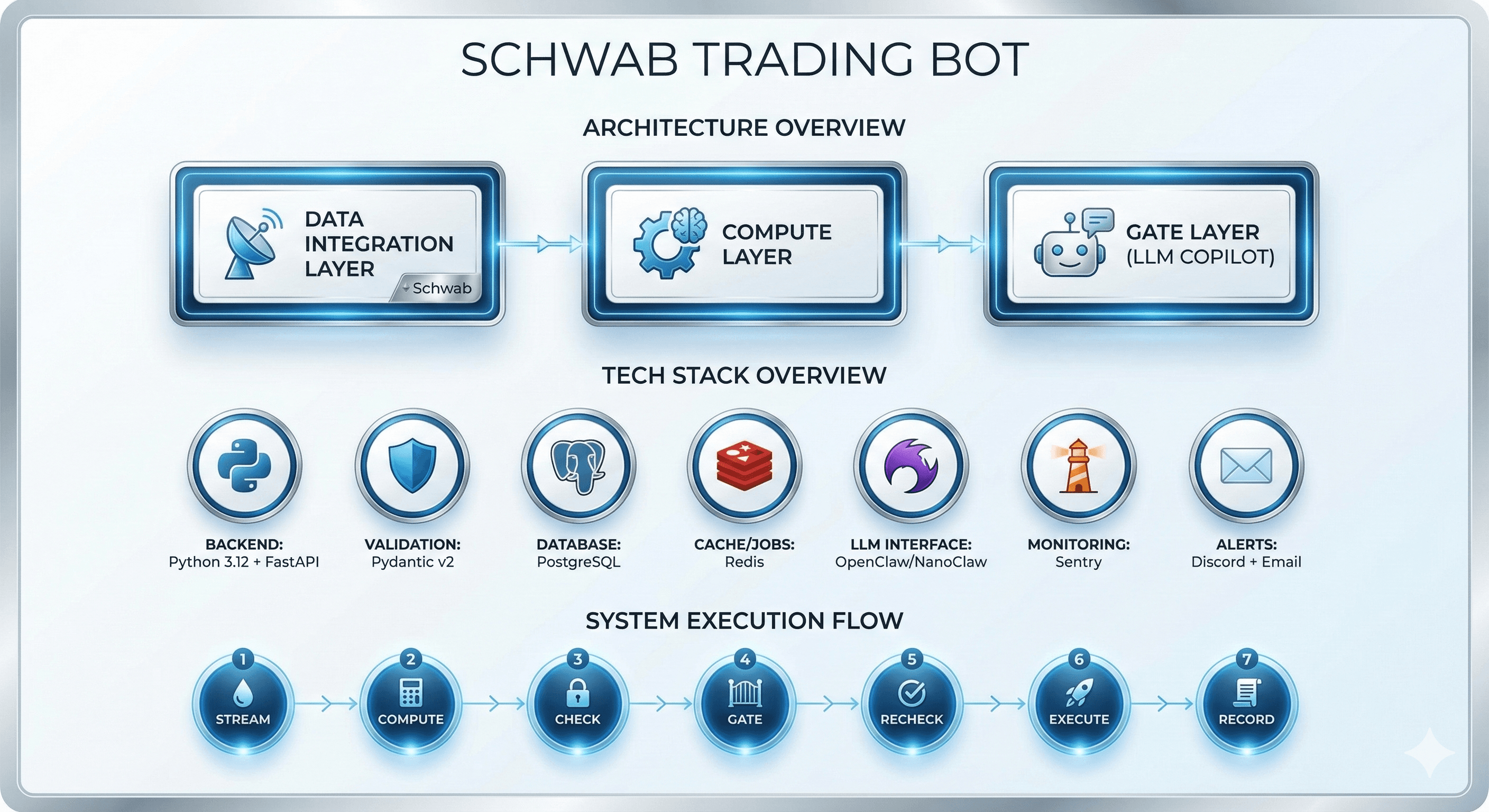
  • Process incoming market signals from multiple sources
  • Extract and normalize feature data for model input
  • Evaluate trade candidates against model and rule-based signals
  • Score and rank opportunities using machine-learning outputs
Technology

PythonXGBoostFeature engineeringData pipelinesModel inference

Architecture

  1. 1Signal ingestion
  2. 2Feature pipeline
  3. 3ML scoring engine
  4. 4Trade ranking system
  5. 5Performance tracking

Key Screens

AI Trading Decision Platform screen 1

Project Narrative

Overview

This platform was built to help evaluate trading opportunities under tighter time constraints. The core objective was to move from raw signal monitoring to a scored ranking system that could support faster, more disciplined decision-making.

Problem

Financial signals become less useful when analysts need to manually reconcile too many indicators, datasets, and candidate trades. The challenge was creating a system that could structure that evaluation in a way that remained extensible.

Solution

  • Built a data flow for ingesting market signals and candidate events.
  • Added a feature-engineering layer to normalize the inputs used by the models.
  • Implemented model inference for candidate scoring and ranking.
  • Structured the output around trade prioritization and performance feedback.

Technology

  • Python-based data and scoring workflows
  • XGBoost for model-driven ranking
  • Feature engineering and inference pipelines
  • Performance tracking for iteration and evaluation

Outcome

The final system made it easier to compare opportunities quickly, test new model behavior, and keep the decision pipeline scalable as more signals were introduced.

Outcome

The platform gave the operator a faster way to compare signals, score candidates, and iterate on model behavior without rebuilding the entire decision flow.

Architecture

Signal ingestion separated from scoring logic

The system keeps ingestion, feature preparation, model scoring, and ranking distinct so experimentation can happen without destabilizing the full decision chain.

Decisioning

Trade opportunities ranked, not just detected

Instead of surfacing raw indicators, the platform prioritizes candidates based on score and confidence so decisions can happen faster.
Background for AI Operations Automation for Physical Therapy

Next Project

AI Operations Automation for Physical Therapy

Explore Case Study